


Who is Keiko Fujimoto?
Keiko Fujimoto is a prominent figure in contemporary art, recognized for her innovative approach that blends traditional techniques with modern themes. Born and raised in Tokyo, Japan, Fujimoto’s early experiences significantly influenced her artistic vision. Growing up in a culturally rich environment, she was exposed to various art forms, which laid the groundwork for her future endeavors. The bustling city life, coupled with a deep appreciation for nature, inspired her to explore the juxtaposition of urban and natural landscapes in her work.
Fujimoto’s artistic journey truly began during her formative years. She attended the prestigious Kyoto City University of Arts, where she honed her skills and deepened her understanding of art’s historical context. The rigorous academic environment allowed her to experiment with various mediums, ranging from painting to mixed media installations. It was during this time that she also developed a profound connection to her heritage, often incorporating elements of Japanese culture into her pieces. This fusion of tradition and modernity became a hallmark of her distinct style.
As Fujimoto transitioned into her professional career, several key milestones marked her path. After graduating, she participated in local exhibitions, quickly gaining recognition for her thought-provoking themes and unique visual narratives. Her breakthrough came when she was invited to showcase her work internationally, allowing her to reach a broader audience and further establish her presence in the contemporary art scene. Through perseverance and dedication, Keiko Fujimoto emerged as a significant voice in the art world, continually pushing boundaries and engaging viewers through her compelling artistry.
Artistic Style and Techniques of Keiko Fujimoto
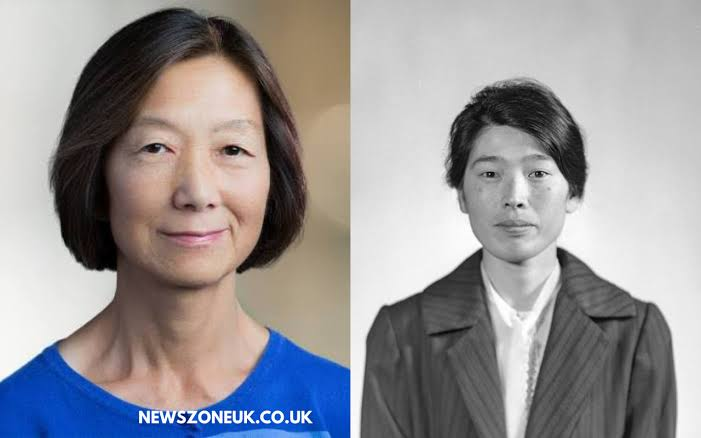
Keiko Fujimoto’s artistic style is a compelling amalgamation of traditional Japanese influences and contemporary techniques. This synthesis not only reflects her cultural heritage but also showcases her innovative approach to art. Fujimoto often employs a range of mediums, including paint, textiles, and digital elements, to explore complex themes such as identity, the self, and cultural intersections. The use of vibrant colors and intricate patterns is a hallmark of her work, drawing from the richness of Japanese aesthetics.
Thematic elements in Fujimoto’s art frequently revolve around nature, spirituality, and personal narratives. She skillfully weaves these motifs through symbolic representations that resonate with viewers on both emotional and philosophical levels. For example, her use of natural imagery often embodies resilience and growth, mirroring her own artistic journey. Additionally, her works sometimes incorporate traditional motifs, which she deftly modernizes to reflect contemporary life, thus making them accessible to a global audience.
Over the years, Keiko Fujimoto’s style has evolved, embracing both bold experimentation and thoughtful reflection. The transition from her early works, which primarily centered on traditional painting techniques, to her current explorations involving mixed media illustrates her commitment to innovation. This evolution not only showcases her adaptability as an artist but also her engagement with the diverse influences surrounding her. By continually pushing the boundaries of her craft, Fujimoto not only honors her artistic heritage but also strengthens her identity as a contemporary art visionary.
Major Works and Exhibitions
Keiko Fujimoto is a prominent figure in contemporary art, renowned for her groundbreaking works that blend traditional techniques with modern themes. One of her flagship pieces, Whispers of Nature, explores the delicate relationship between humanity and the natural world through a stunning mix of photography and mixed media. This piece has received widespread acclaim for its ability to evoke deep emotional responses, showcasing Fujimoto’s skill in narrative storytelling through visual art.
Another notable work, Reflections of Tomorrow, delves into societal issues through abstract representations of urban life. The piece has been praised for its innovative use of color and form, drawing the viewer’s eye toward a thought-provoking commentary on contemporary existence. Critics have noted that Keiko Fujimoto’s ability to fuse aesthetic appeal with introspective themes sets her apart in the art community.
In addition to her impactful artworks, Fujimoto’s exhibitions have garnered significant attention. Her solo exhibition at the Tokyo Metropolitan Art Museum in 2022, titled Beyond Boundaries, marked a pivotal moment in her career, attracting thousands of visitors and receiving accolades from various art critics and experts. The exhibition featured a comprehensive collection of her recent works, enabling attendees to engage directly with her artistic evolution.
Moreover, Keiko Fujimoto has participated in major international art fairs, such as Art Basel and the Venice Biennale, where her installations have sparked conversations about contemporary social issues. Her contributions to the field have not gone unnoticed; she has received numerous awards, including the prestigious Contemporary Art Award for her exceptional vision and influence in the art landscape. Such recognitions not only underscore her significance as an artist but also affirm her role as a visionary in contemporary art.
The Legacy of Keiko Fujimoto and Her Influence on Future Generations
Keiko Fujimoto’s artistic journey has not only redefined the boundaries of contemporary art but has also forged a compelling legacy that continues to inspire emerging artists across the globe. Through her unique approach to art, Fujimoto has cultivated a distinctive voice that embodies the intersection of cultural traditions and contemporary societal narratives. As she addresses themes such as identity, belonging, and the complexities of cultural exchange, her work resonates deeply with audiences, fostering a greater understanding of both individual and collective experiences.
Fujimoto’s influence extends beyond her artwork; she actively promotes cultural exchange, providing a platform for dialogue among artists from diverse backgrounds. By participating in collaborative exhibitions and workshops, she encourages a vibrant exchange of ideas and techniques, allowing younger artists to explore their voices within the context of the global art scene. This mentorship role is crucial, as it nurtures the next generation of creatives and helps them navigate the often-challenging landscape of contemporary art.
Moreover, the societal issues depicted in Fujimoto’s work reflect a keen awareness of the world around us. Her exploration of themes such as globalization, migration, and environmental concerns speaks to the urgency of addressing these topics within the art community. In bringing these pressing issues to light, Fujimoto not only enriches the artistic discourse but also strengthens the relevance of art as a means of addressing real-world challenges.
In conclusion, the legacy of Keiko Fujimoto is one of profound impact and inspiration. By fostering cultural exchange and addressing significant societal themes in her work, she has established herself as a visionary artist whose influence will be felt by future generations. Her commitment to nurturing emerging talents ensures that the creative spirit continues to evolve, reflecting the complexities of our contemporary world.